PurePour
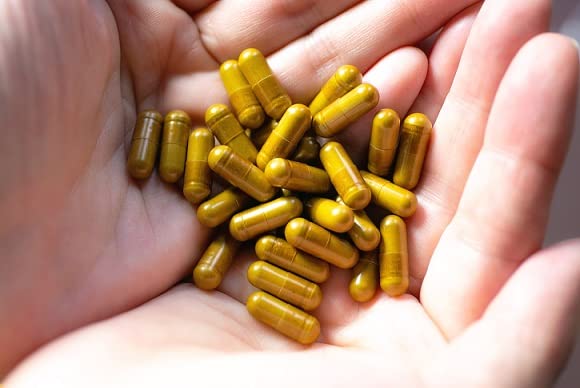
chakoji Premium Japanese Tea Koji – Fermented Koji & Green Tea
chakoji Premium Japanese Tea Koji – Fermented Koji & Green Tea
Couldn't load pickup availability
Brand : chakoji
Item Form : Capsule
Flavor : Green tea
Tea Variety : Green
Unit Count : 62 Count
About this item
? Traditional Japanese fermentation ingredient made with tea and koji
? Developed by a koji company with more than 100 years of research
? Easy-to-take form for daily use
? Made in Kirishima Japan
Product specifications
Item details
Brand Name : chakoji
Item Form : Capsule
Flavor : Green tea
Tea Variety : Green
Unit Count : 62 Count
Number of Items : 62
Container Type : Bag
Caffeine Content Description : Caffeine Free
Allergen Information : Non-GMO
Product Benefits : Traditional Japanese Fermentation Benefits, Non-GMO
Manufacturer : Kirishima Highland Brewery
Best Sellers Rank : #305,699 in Grocery & Gourmet Food (See Top 100 in Grocery & Gourmet Food) #11,500 in Herbal Tea
ASIN : B0GSFDCP3L
? #305,699 in Grocery & Gourmet Food (See Top 100 in Grocery & Gourmet Food)
? #11,500 in Herbal Tea
Measurements
Unit Count : 62 Count
Product description
We are a long-established seed koji maker with over 100 years of koji research in Japan.
Koji is a behind-the-scenes force!
What is Koji!
What does “koji” do?
Koji is the source of umami, creating food without the need for additives.
Kawachi Genichiro Shoten, Kagoshima, Japan
Our Kawachi-Kin (Koji spores) are the strain carefully selected that produces both enzymes amylase and protease effectively, thus very well-balanced spore for Koji making suitable for all types of fermentation from Amazake making to Miso making soy sauce and so on.
The depth of flavour from Kawachi-kin are absolutely distinctive. This Koji spores are excellent for Barley Koji making too.
We are a long-established seed malt shop in Kagoshima that has been in business for over 100 years.
Our founder, Genichiro Kawachi, discovered Kawachi white yeast in 1923.
Since then, many shochu makers have used our koji mold.
Koji is a behind-the-scenes force! It plays a major role in places you can't see.Miso, soy sauce, pickles, sake, shochu... all of these are made with koji.
The Japanese diet is somehow connected to koji every day. However, although koji does a lot of good things for the body, it is not visible, and is like a behind-the-scenes player.
What exactly is koji?
Koji mold is the king of oriental microorganisms.
Koji is a useful microorganism that exists only in the East.
This unique microorganism, which occurs naturally in Japan's unique climate, has the ability to break down starch into glucose and protein into amino acids, and it also effectively breaks down and absorbs fat.
Although koji itself is not eaten, it has long been used in the production of sake, miso, soy sauce, dried bonito flakes, and other fermented products, making it an indispensable part of the Japanese diet.
Koji is full of enzymes! It captures enzymes that modern people tend to lack. Koji is rich in three major digestive enzymes: amylase, which digests starch and breaks it down into sugar; protease, which breaks down protein into amino acids; and lipase, which breaks down fat.
Enzymes are very important in the breakdown, transport, synthesis, and elimination of nutrients in the body.
Even if the body is properly supplied with vitamins, minerals, proteins, and other necessary nutrients, if there is a lack of enzymes to break down these nutrients and replace them with the necessary energy, metabolic functions will not work properly and lifestyle-related diseases will be invited.
Enzymes are a type of protein originally produced by the body, but the unbalanced diet of modern people is thought to be overwhelmingly deficient in these enzymes.
Koji is cultivated by growing koji mold on rice, rice bran, wheat, soybeans, etc.
Koji itself is not edible, but when it is fermented, the synergistic effect of koji and other useful microorganisms brings out sweetness and umami in a good balance.
Moreover, fermented foods made with koji are highly storable without additives such as preservatives, making them useful as preserved foods. In fact, they even have the characteristic of increasing in deliciousness as they mature. This is exactly the case with miso and shochu.
When there were no chemical seasonings or synthetic preservatives, our ancestors used koji as a source of umami and as a natural preservative in their daily lives.
Koji is one of the few microorganisms that have been passed down through hundreds of years of history to produce reliable and safe food.
Share